
Custom embroidered patches for Small Businesses: A Practical Guide
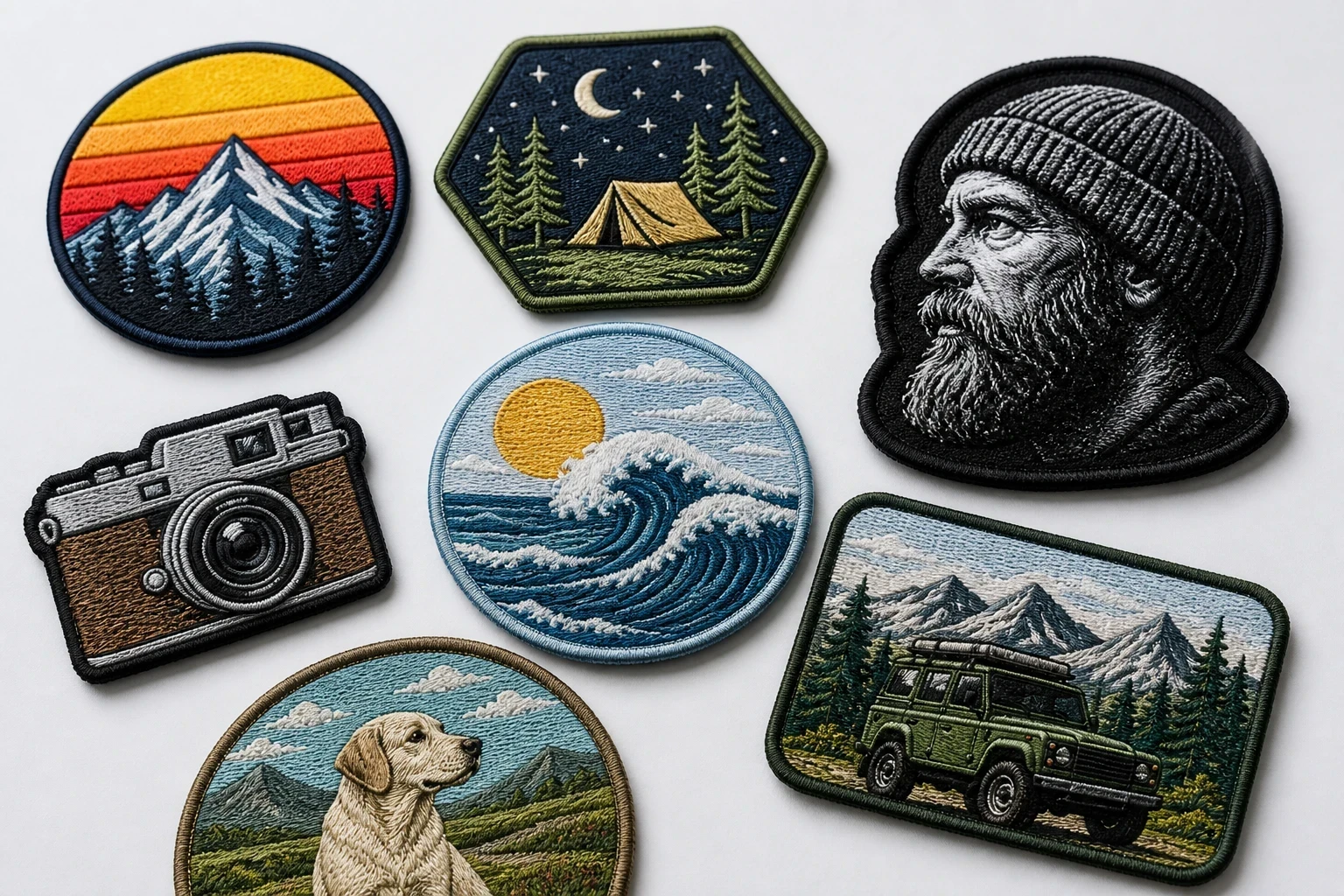
Custom embroidered patches give small businesses a durable, tactile way to brand uniforms, jackets, bags and event clothing. The right result depends on artwork, size, thread coverage, edge, backing and garment choice. The Customized Patches offers a free digital mockup usually within 12 hours, with a 5-piece minimum per design and production only after approval.
Key takeaways
- Custom embroidered patches work well for small business uniforms, jackets, bags, caps and branded merchandise because they add texture and can be reused across garments.
- A 5-piece minimum applies per design, so a small business can test a new logo or team badge without ordering hundreds.
- The Customized Patches usually sends a free digital mockup within 12 hours and produces only after the customer approves the design and specifications.
- Thread is not the answer for every logo: printed patches are flatter and suit photographic detail, gradients and very small text.
Custom embroidered patches are a practical branding option for small businesses that need uniforms, jackets, bags or event clothing to look consistent without ordering a large run. They add a raised thread finish, can be made from just 5 pieces per design, and suit everything from a café apron to a tradesperson’s work jacket.
The best choice depends on the logo, the garment and how the item will be used. The Customized Patches in the United Kingdom provides a free digital mockup usually within 12 hours and produces only after approval, so you can check the size, thread colours, edge and backing before anything is made.
Why small businesses use custom embroidered patches
A patch gives a small business more flexibility than putting the logo directly onto every garment. You can order branded patches for a new team, keep a spare batch in stock, and apply the same identity to jackets, rucksacks, aprons or merchandise bought at different times. That matters for businesses that grow in stages rather than placing one large uniform order.
There is also a useful visual difference between a stitched badge and a flat transfer. Thread catches light and gives a logo a physical edge, which can suit an independent coffee roaster, barber, brewery, outdoor shop or mobile repair business. A merrowed crest on a wool coach jacket reads differently from a small printed mark on a nylon shell; neither is automatically better.
- Hospitality: use a left-chest patch on aprons, overshirts or staff jackets.
- Trades and services: add a name or department patch to workwear, while keeping the main logo consistent.
- Retail and makers: use patches on canvas bags, overshirts and limited merchandise.
- Clubs and studios: brand coaching jackets, kit bags and member clothing.
- Events: supply a small run for a launch, market stall, festival or pop-up team.
- Corporate teams: use removable patches on jackets when staff work across different sites.
The 5-piece minimum per design is useful here. A new company can test five patches on its core team instead of committing to 250 units. If the design is later repeated, the same approved artwork and specifications provide a clear reference for the next quotation.
Start with the logo, not the patch shape
Small business artwork often arrives as a logo designed for a website header or social media avatar. That does not mean it will translate directly into thread. Hairline strokes, tiny gaps, pale text and detailed illustrations can close up or lose definition when reduced to a patch only 2 or 3 inches wide.
Send the clearest artwork available and say where the patch will be worn. A chest badge, sleeve mark and back panel have different working sizes. A two-line business name may be readable at 4 inches wide but not at 2 inches. The digitising stage converts the artwork into stitch instructions, so this is where awkward shapes and very small lettering need to be discussed.
Text, borders and thread coverage
- Keep small wording short. A web address rarely works well on a small embroidered badge.
- Use a strong contrast between the background and lettering. Tonal thread can look refined, but it reduces quick-read clarity.
- Allow a visible border around the main artwork. It helps the design hold together and gives the edge a finished appearance.
- Avoid packing many colours into a tiny area. Fewer, well-separated colours usually reproduce more clearly.
- Tell the maker if a colour must match a brand guide. Screen colours and thread colours are not identical systems.
For artwork preparation, the guide on How to Design Artwork for custom embroidered patches That Production-Ready covers the decisions that affect production. If the design depends on a photograph, gradient or fine illustration, compare printed patches before deciding that embroidery is the only route.
Choose the right patch construction
Traditional embroidery is a good fit for logos with bold lettering, clear blocks of colour and a badge-like outline. It is not a requirement for every branded item. Printed is flatter; that is the point. It can show gradients, fine lines, photographic artwork and larger areas of detail that thread would simplify.
| Patch type | Best suited to | Main advantage | Trade-off for a small business |
|---|---|---|---|
| Embroidered | Bold logos, crests, uniforms, jackets and bags | Raised thread texture and a familiar badge finish | Fine detail and very small text may need simplifying |
| Woven | Fine lettering, compact symbols and flatter branded badges | Cleaner small detail than standard embroidery in many designs | Less raised texture and a finer weave appearance |
| Printed | Gradients, photographs, illustrations and detailed artwork | Flat surface with broad colour and fine image detail | Does not have the stitched texture of an embroidered patch |
| PVC | Outdoor, tactical, airsoft and wet-use equipment | Flexible, wipe-clean construction with a moulded finish | A different visual language from a traditional textile badge |
| Leather | Heritage brands, caps, bags and premium casual goods | Distinct material character and stamped appearance | Less suitable for multi-colour detailed artwork |
| Chenille | Varsity, club and statement back patches | High pile and bold, soft texture | Needs generous sizing and does not suit fine detail |
A small clothing label may choose embroidered patches for the main logo, woven patches for a fine secondary mark and printed patches for an illustrated campaign. The useful comparison is not simply price. Consider the surface, the smallest detail, the way the customer will wash the garment and the impression you want the item to give.
Edge styles and the shape of the badge
A merrowed edge creates the thick, wrapped border seen on many traditional crests. It works particularly well on simple round, shield or rectangular shapes. Heat-cut and laser-cut edges allow more complex outlines, including lettering or a detailed silhouette. The edge affects both appearance and how much usable space remains inside the patch.
For a small business, a clean shape is usually easier to place consistently across garments. A narrow point or internal cut-out may look good on screen but become awkward on a curved sleeve. The guide to Merrowed vs Heat-Cut vs Laser-Cut Patches: Which Edge Should You Spec? gives a closer comparison.
Size and placement on real garments
A patch should be sized against the garment, not only against the artwork file. Measure the flat usable area and check nearby seams, pockets, zips and fasteners. A logo that looks balanced at 3.5 inches on a jacket may appear crowded on a narrow polo chest or oversized on a child’s school blazer.
| Application | Common starting range | What to check |
|---|---|---|
| Left chest on a polo or shirt | 2.5 to 3.5 inches wide | Logo legibility, buttons, placket and the wearer’s movement |
| Work jacket or overshirt | 3 to 4 inches wide | Pocket position, seams and whether the patch sits over a thick layer |
| Sleeve | 2 to 3 inches wide | Sleeve width, arm curve and orientation of the wording |
| Canvas bag or rucksack | 3 to 5 inches wide | Panel size, straps, zips and whether the bag flexes heavily |
| Cap front | 2 to 3 inches wide | Curvature, crown height and the available flat stitching area |
| Large jacket back | 6 to 10 inches wide or more | Back panel seams, balance and whether the garment can support the weight |
Not sure whether thread, woven detail or ink will hold your logo best? Send the artwork and the intended garment for a free digital mockup usually within 12 hours, then compare the approved direction before you produce.
GET A FREE MOCKUPThese are starting points rather than fixed rules. A compact icon may work at 2 inches, while a business name needs more width. For jackets, the guide to Custom Patches for Jackets in the UK: Size, Backing, and Stitch explains why the back panel, seam position and patch construction should be considered together.
Backing: sew-on, iron-on or Velcro
Backing is a practical decision, not an afterthought. Sew-on is the dependable choice for many jackets, bags, wool garments and items that will be washed often. Iron-on can be convenient on suitable cotton or cotton-blend fabric, but it must be applied with the correct heat, pressure and time. A rushed application can leave corners lifting.
Nylon shells and technical fabrics need particular caution because high heat can mark or damage the material. A patch on a flexible waterproof jacket may also need stitching even if an adhesive backing is supplied. Iron-on that peels after a dryer cycle is a common failure, especially where the garment was washed before the adhesive had properly bonded.
| Backing | Good choice for | Watch for |
|---|---|---|
| Sew-on | Heavy jackets, bags, wool coaches, workwear and long-term use | Requires stitching and a suitable needle; edge access matters |
| Iron-on | Suitable cotton or blended garments and straightforward applications | Heat-sensitive nylon, coatings, dryers and poor application can cause failure |
| Hook-and-loop | Removable work identifiers, tactical gear, clubs and interchangeable names | The loop panel must be attached securely and the garment needs a compatible surface |
A football club may need sew-on badges for kit bags, while a site team may prefer hook-and-loop name patches on a shared jacket system. A biker club’s leather or denim vest usually needs a different approach from a café’s cotton apron. Use the Sew-On vs Iron-On vs Velcro: Which Patch Backing Lasts Longest? guide when the application is not obvious.
Ordering custom embroidered patches in the UK
A useful quote includes more than a logo file. State the patch type, finished width and height, quantity per design, shape, edge, backing, thread colours, application garment and delivery postcode. If you need five patches in one design and five in another, say so clearly; the 5-piece minimum applies per design rather than to a mixed collection of unrelated artwork.
The Customized Patches sends a free digital mockup usually within 12 hours. Review the spelling, proportions, border, colours, size and backing shown. Production starts only after approval, which gives the customer a defined point to catch a wrong telephone number, an old logo or a patch that is too large for the intended pocket.
What to check on the mockup
- The business name and any small wording are correct.
- The mockup shows the agreed dimensions, not just an approximate visual.
- The patch shape leaves enough room for the border and edge finish.
- The colour relationship is clear, especially for dark garments and tonal logos.
- The backing matches the garment and whether the patch must be removable.
- The quantity, delivery address and any separate designs are recorded correctly.
- The placement makes sense on the real item, including seams, pockets and curved areas.
If you are ordering for a team, get one person to approve the production version rather than collecting conflicting changes from several inboxes. Keep the approved mockup with the purchase record. It makes repeat orders easier and prevents a supplier from working from an outdated logo.
Quantity, cost and lead-time decisions
The per-piece price can change with size, stitch coverage, backing, edge, number of designs and quantity. Five large, heavily filled back patches use a different amount of material and production time from five small chest badges. Asking for a price on the finished specification produces a more useful answer than asking for a generic patch price.
For a small business, start with the number of people or items that genuinely need the patch. The 5-piece minimum makes a trial run possible, but adding sensible spares can help with new starters, replacements and samples for customers. For larger runs, compare the cost per patch at 25, 50, 100 and higher quantities rather than ordering far more than you can store.
- Allow time for artwork questions before the mockup is approved.
- Treat mockup approval as a production milestone, not a formality.
- Ask how delivery is handled across the United Kingdom and provide a complete address.
- Order samples or a small first run if the patch will be used on an unfamiliar garment.
- Avoid promising a launch date to customers until the artwork, quantity and delivery plan are confirmed.
A small independent brand may need patches for a product photography session, while a sports club may be working towards a fixed fixture date. Share the real deadline at quotation stage. The guide How Long Do Custom Patches Take? UK Turnaround from Mockup to Delivery explains the stages between artwork, approval, production and delivery.
Garment examples
Football clubs often need a clear crest that survives regular washing and sits neatly on kit bags, coaches’ jackets or training tops. Cadet units and youth groups may need multiple badges with consistent sizing, while school blazers call for a neat result that does not distort the fabric around the pocket or seam.
Hospitality polos and aprons usually benefit from a compact left-chest mark, but the patch must not interfere with buttons or the apron tie. Biker and motorcycle club patches are often larger, layered or arranged on denim and leather vests; the edge, placement and stitching method need to be agreed before production. Nylon shells create a different problem because heat and adhesive are not always compatible.
Wool coaches’ jackets can take a traditional merrowed crest, although the wearer may prefer a sew-on finish rather than relying on adhesive. Velcro panels make sense for teams that change names or roles. These examples are why a photograph of the actual garment can be more useful than a logo alone.
Care and common failure points
Most patch problems begin before washing. The patch may have been placed over a seam, ironed with insufficient pressure, applied to a coated fabric or left with a loose corner. Sew-on patches should be secured around the edge with thread suited to the garment. Iron-on patches need the manufacturer’s application instructions and should not be treated as a universal answer for every jacket.
Name sew-on, iron-on or Velcro on the quote and include a photograph of the garment if the fabric is unusual. We show the proposed backing and size on a free digital mockup usually within 12 hours, then make the patches only after you approve.
GET A FREE MOCKUPWash the garment according to its care label, avoid unnecessary high heat and check the patch after the first few washes. A dryer cycle can expose a weak adhesive bond quickly. For a detailed routine, see How to Wash and Care for Custom Patches (UK Jackets, Hats, and Uniforms).
- Do not iron directly over plastic trims, waterproof coatings or heat-sensitive nylon.
- Do not fold a large stiff patch across a sharp garment seam if you can avoid it.
- Do not assume a cap has enough flat area for a wide badge.
- Do not approve a small logo without checking the smallest lettering at the finished size.
- Do not wash an iron-on application immediately if the application instructions require a cooling or setting period.
When another patch type is the better answer
There are good reasons not to select embroidery. A skincare brand with a soft photographic illustration may need printed colour. A technology company with small text may prefer woven construction. An outdoor equipment label may want the wipe-clean surface of PVC patches, while a heritage cap brand may prefer leather patches with a stamped mark.
A large varsity-style back badge could suit chenille patches, and a business wanting a raised but highly dimensional logo can review 3D embroidered patches. These alternatives do not make embroidered patches unsuitable; they show why the material should follow the artwork and use case.
If you are deciding between a stitched and flat finish, read Custom embroidered patches vs printed patches: Which Is Right for Your Project? before requesting the final quote. The right choice is the one that remains legible, suitable for the garment and practical for the way customers will use it.
A sensible specification for a first order
For a first small business order, keep the specification easy to repeat. Choose one primary logo, one finished size, one edge and one backing for the initial batch unless there is a clear reason to vary them. A simple approved standard reduces confusion when a new employee joins or when a replacement garment is bought months later.
- Name the design and confirm the final logo file.
- Measure the garment area and choose a finished size in inches.
- Decide between embroidered, woven, printed, PVC, leather or chenille construction.
- Confirm the border, edge and thread or print colours.
- Select sew-on, iron-on or hook-and-loop backing.
- Order at least 5 pieces for that design and add sensible spares if required.
- Review the free digital mockup usually within 12 hours.
- Approve only the version that matches the intended garment and order quantity.
This approach gives a small business a clear record and a manageable first test. The Custom embroidered patches Checklist: What to Confirm Before You Order is useful if several people are involved in approving the design.
Frequently asked questions
The questions below cover the points that most often delay a small business order: minimum quantity, artwork, garment compatibility, backing, alternatives and approval.
Frequently asked questions
What is the minimum order for custom embroidered patches?
The minimum is 5 pieces per design. Five patches of one logo count as one design run; unrelated logos or different artwork should be quoted separately. This lets a small business test a badge with a team or order a few replacements without committing to a large quantity.
How quickly can I receive a mockup for custom embroidered patches?
The Customized Patches usually sends a free digital mockup within 12 hours. The timing can depend on receiving clear artwork and the required specifications. Production begins only after the customer approves the mockup, size, backing and other agreed details.
Can custom embroidered patches go on nylon jackets?
They can, but nylon requires care because heat may mark, melt or damage the fabric and coatings. Sew-on backing is often safer than relying on iron-on adhesive for a nylon shell. Send a photograph or garment details so the backing and application can be considered before production.
Are embroidered patches better than printed patches for a small business?
Neither is always better. Embroidered patches add raised thread texture and suit bold logos, crests and uniforms. Printed patches are flatter and can reproduce gradients, photographs and fine illustrations. Compare the artwork, garment, washing conditions and desired appearance before choosing.
What artwork is needed for custom embroidered patches?
Send the clearest logo or badge file available, preferably vector artwork or a high-resolution PNG. Include the intended size, garment, quantity, backing and any brand colour references. Small lettering, thin strokes and complex detail may need simplifying during digitising.
Which backing should a UK small business choose?
Sew-on is a dependable choice for jackets, bags, wool garments and frequent washing. Iron-on suits some cotton and blended fabrics when applied correctly, but it can fail on unsuitable surfaces or after high heat. Hook-and-loop is useful where staff need removable or interchangeable patches.
Ready to produce custom patches for your UK team or brand?
GET A FREE MOCKUP