
Top 10 Uses for sublimation printed patches UK in 2026
Sublimation printed patches UK are best for colourful, detailed designs that need a flatter finish than embroidery. Common uses include sports kits, branded workwear, school clothing, event merchandise, outdoor clubs, hospitality uniforms, biker gear, promotional products, and short-run launches. The Customized Patches supplies a free digital mockup usually within 12 hours, has a 5-piece minimum per design, and produces only after approval.
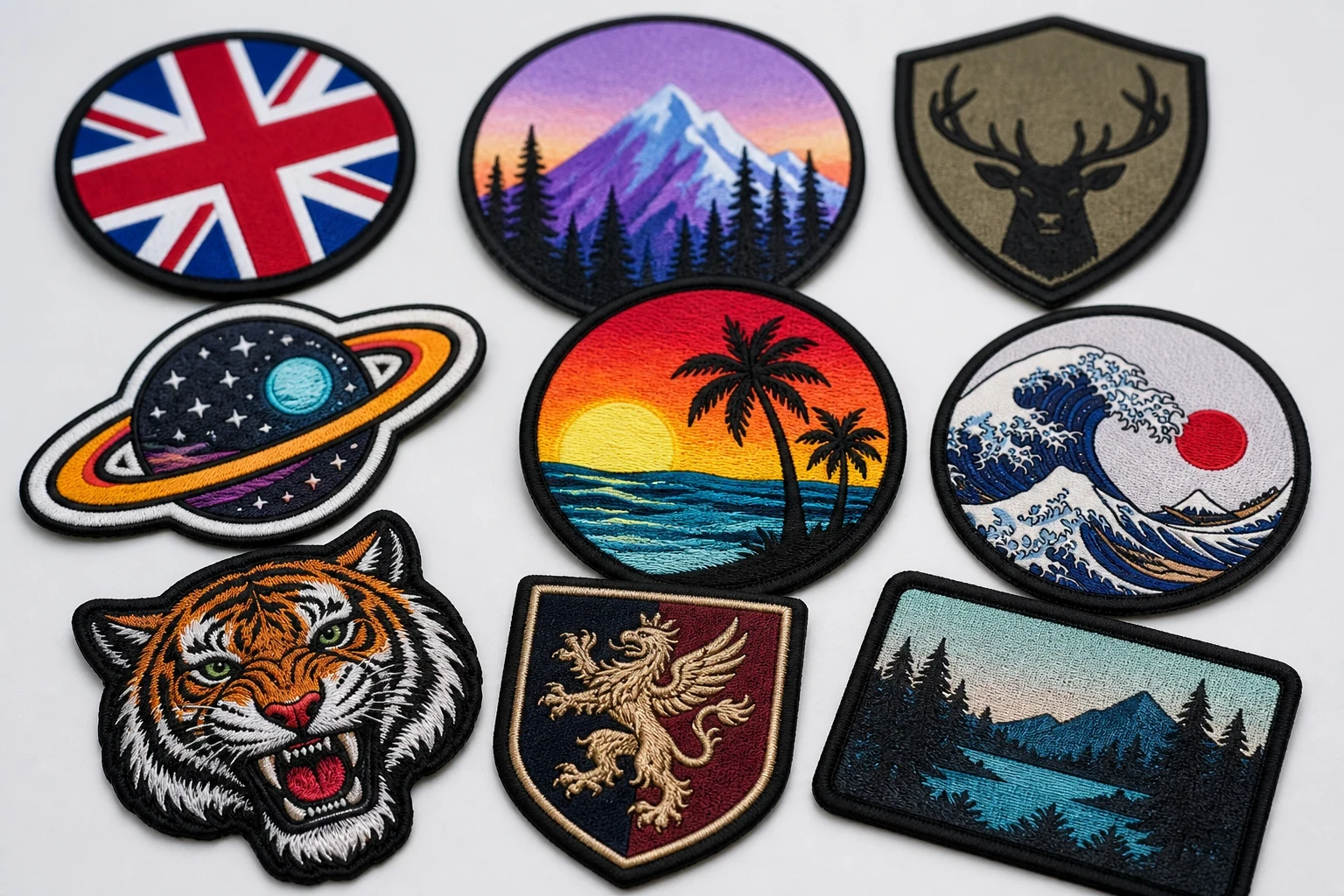
Key takeaways
- Sublimation printed patches suit detailed artwork, gradients, photographs and designs that would lose detail in heavy stitching.
- They are useful for UK sports clubs, workwear, school clothing, hospitality uniforms, events, outdoor groups and branded merchandise.
- Printed is flatter than embroidery; that is the point, but it may be less suitable if you want a raised, traditional crest.
- The Customized Patches has a 5-piece minimum per design, sends a free digital mockup usually within 12 hours, and produces only after approval.
Sublimation printed patches UK are used for detailed team badges, branded workwear, school clothing, event merchandise and outdoor club kit where a flat printed surface is more useful than raised thread. They handle gradients, small lettering, illustrated scenes and colour-rich artwork without forcing every detail into stitch lines. The Customized Patches supplies these patches across the United Kingdom with a 5-piece minimum per design.
The right use depends on the garment, the artwork and how the patch will be fitted. A printed patch can look excellent on a football jacket or hospitality polo, but a thick wool coaches jacket may call for a different edge or backing. You receive a free digital mockup usually within 12 hours, and we produce only after you approve the design.
Why sublimation printed patches UK work well in 2026
The main advantage is control over detail. Sublimation printing places colour into the patch material, so a design can show smooth fades, fine outlines and multiple tones without converting every colour change into a separate embroidered area. This is particularly helpful for landscape illustrations, mascots with shaded faces, sponsor marks and logos containing small secondary text.
The finish is flatter and lighter than a heavily embroidered patch. That is not a fault. It is useful on a nylon shell that already has a lot of bulk, on a polo that needs to sit comfortably against the wearer, or on a Velcro panel where excessive thickness can catch on other equipment. The trade-off is that printed patches do not give you the raised texture of a merrowed crest or a chenille letter.
- Best for gradients, photographic images, fine line drawings and colour-heavy logos.
- Usually easier to read on small artwork than a design with dense embroidery.
- Suitable for sew-on, iron-on and Velcro applications, subject to the garment and use.
- A good option for short runs because the minimum is 5 pieces per design.
- Less suitable if the main aim is a raised, traditional or highly textured club badge.
The 10 most useful applications for UK buyers
1. Football, rugby and other sports clubs
A football club may need a badge on rain jackets, coaches' coats, kit bags and training tops rather than only on the match shirt. Sublimation printed patches work well when the crest includes a ball, stadium, animal mascot, sponsor detail or several colours. They can also be made for a junior section, veterans' side or tournament squad without changing the main club identity.
For sportswear, check the fabric before selecting the backing. A sew-on patch is dependable on a jacket or heavy tracksuit top. Iron-on can be convenient on some cotton garments, but heat-sensitive performance fabric and nylon need care. An iron-on that peels after a dryer cycle is not a useful saving, so we ask for the garment details before confirming the specification.
2. Branded workwear for trades and services
Electricians, builders, mobile mechanics, landscapers, security teams and maintenance businesses often need branding that can move between garments. A printed patch can show a detailed company mark, telephone number, web address or service illustration on a jacket, fleece, gilet or work shirt.
The practical question is legibility. A phone number that looks fine at 4 inches wide may become too small at 2 inches. For a chest patch, many businesses choose around 3 to 4 inches wide, while a larger back or jacket patch may be 6 to 10 inches wide. We can show the artwork at the proposed size before production.
3. School blazers, house teams and enrichment clubs
Schools use patches for house colours, Duke of Edinburgh groups, language clubs, music departments, charity events and temporary projects. Printed artwork is handy when a badge contains a detailed building, book, animal or multi-colour illustration that would become too simplified in embroidery.
School blazers bring a different production issue. Wool and wool-blend fabrics can be damaged by excessive heat, and a blazer may be dry-cleaned rather than washed like a sweatshirt. Sew-on is often the safer discussion for formal clothing. For a school wanting removable house identifiers, a Velcro panel may be more practical than fixing every patch permanently.
4. Hospitality uniforms and independent brands
Restaurants, coffee shops, breweries, bakeries and hotels use patches to give aprons, overshirts, caps and jackets a recognisable identity. A printed patch can reproduce a hand-drawn coffee cup, a food illustration, a vintage label or a logo with subtle colour changes. It also gives a small business a way to test a new mark without ordering hundreds of garments.
Consider the washing routine. Hospitality clothing may be washed frequently and at higher temperatures than casual fashion. We can advise on backing, but no patch should be treated as indestructible. Follow the garment and patch care instructions, avoid unnecessary dryer heat, and tell us if the item will face commercial laundry conditions.
5. Events, festivals and charity campaigns
A one-day event, charity walk, university society or fundraising campaign may need a small run of patches that people can attach to jackets and bags. Printed patches allow a date, route illustration, event mascot or sponsor panel to appear clearly without the cost and visual weight of a large stitched design.
This is also a useful application for numbered or named editions. Each version is treated as its own design when the artwork changes, so tell us how many versions you need. The 5-piece minimum applies per design, not simply to the total across unrelated artwork.
6. Outdoor, hiking and camping groups
Walking groups, climbing clubs, camping communities and expedition teams often favour patches on rucksacks, shell jackets, fleece layers and equipment bags. A printed mountain scene, route map, camp badge or wildlife illustration can retain more visual information than a heavily stitched version.
Outdoor clothing needs a sensible backing choice. Nylon shells are thin, smooth and sometimes heat-sensitive. Sew-on is often appropriate for a permanent badge, while Velcro works for members who swap unit or trip patches. Iron-on may be suitable in some cases, but the shell manufacturer's care label should be checked first.
7. Cadet units, scouts and uniformed organisations
Cadet units, scout groups, guide units and community organisations may need activity badges, camp patches, county identifiers or commemorative designs. These often contain several small elements: a tent, a flag, a date, a unit number and a local symbol. Printing keeps those elements visible without making the patch excessively thick.
Not sure whether thread or ink will hold your logo best? Send the artwork and garment details. We will prepare a free digital mockup usually within 12 hours so you can compare the proposed size, shape and finish before production.
GET A FREE MOCKUPUniform placement matters. A patch for a shirt sleeve is not specified in the same way as one for a rucksack or parade jacket. Send a photograph or the garment details with the quote, and state if the patch must be removable. For established crests, compare the result with embroidered patches or woven patches before choosing.
8. Biker, motorcycle and automotive clubs
Motorcycle groups use patches on leather jackets, denim vests, riding bags and club merchandise. Printed artwork is useful for a detailed bike illustration, pin-up style artwork, road scene or commemorative rally design. It can reproduce more colour variation than a simple thread-only badge.
Leather and heavy denim need a firm conversation about attachment. Sew-on is commonly considered for permanent placement. A Velcro panel can suit a removable rider identifier, but the receiving panel must be positioned and stitched securely to the vest. For traditional club layouts and larger back pieces, review our guide to biker and motorcycle club patches before finalising the shape.
9. Product launches, packaging and promotional merchandise
Fashion labels, record releases, gaming projects and small product launches can use patches as a physical brand extra. They can be sold with a garment, included in a launch parcel, attached to a cap or offered as a collectable. Printed patches are especially useful where the artwork looks more like a poster or illustration than a simple emblem.
The 5-piece minimum per design makes testing manageable for a small UK brand. You can produce a short run, inspect the physical result and decide whether a second version should be larger, darker or backed differently. We do not move to production from an uncertain artwork file; the mockup is there to catch those decisions first.
10. Staff identity, internal campaigns and local groups
Businesses use patches for staff volunteering days, seasonal campaigns, training cohorts, apprenticeships and internal communities. A patch may sit on a fleece, tote bag, jacket or event garment and then be kept as a reminder after the project finishes.
This use rewards clear hierarchy. Put the main symbol at the centre, keep small text limited, and avoid placing important detail along a narrow border. If you need an addressable logo with simple lettering, printed patches may be suitable; if you want visible raised thread, compare 3D embroidered patches.
Choosing the finish, size and backing
A good patch starts with the garment rather than the artwork alone. Tell us if the base is cotton, polyester, nylon, wool, leather, denim or a mixed fabric. A nylon shell, wool coaches jacket and cotton hoodie will not respond to heat and stitching in the same way.
Shape and edge affect the appearance too. A clean cut edge can suit a detailed illustration or an irregular outline. A merrowed edge gives a traditional raised border and works particularly well for many club crests, although it adds visual weight around small details. Printed is flatter; that is the point. The best choice is the one that suits the garment and the intended feel.
| Patch choice | Best for | Advantages | Trade-offs |
|---|---|---|---|
| Sublimation printed patch | Gradients, photographs, illustrations and detailed colour artwork | Flat surface, strong colour detail and flexible visual reproduction | Less raised texture than embroidery; artwork size still affects small text |
| Embroidered patch | Traditional crests, bold lettering and tactile club branding | Raised thread texture and familiar badge appearance | Fine gradients and tiny detail may need simplifying |
| Woven patch | Fine lettering and flatter logos with a woven texture | Sharper small text than heavy embroidery and a neat surface | Not the same as a fully printed photographic finish |
| PVC patch | Outdoor kit, bags and designs needing a moulded surface | Raised waterproof-style appearance and strong shape definition | Different look and feel; not ideal for every textile garment |
| Chenille patch | Varsity lettering, school teams and large tactile initials | Soft, thick pile and a strong traditional sports look | Large texture can hide fine detail and small lettering |
For more detail on dimensions and attachment methods, see Printed patches Sizing and Backing Options Explained. The short version is simple: choose the finished width in inches, identify the garment, state whether the patch is permanent or removable, and send the clearest artwork available.
If you are comparing visual finishes, our guide to Sublimation printed patches UK vs embroidered patches: Which Is Right for Your Project? explains where the flatter printed result is useful and where thread texture may be preferable.
Artwork advice for the 10 uses above
A high-resolution file gives us more to work with, but a large file cannot rescue an unclear design. Vector artwork is useful for clean logos, while a high-quality PNG or JPG can work for illustrated and photographic artwork. Include the original colours if they matter, and tell us if a particular shade must be matched as closely as possible.
At patch size, fine text is the first area to fail. A long website address on a 2-inch chest badge may be technically present but unreadable in practice. The mockup should show the design at its actual proposed size, not only as a large screen image. Read How to Design Artwork for printed patches That Production-Ready before sending a final file.
- Keep the main logo or symbol clear of the edge.
- Avoid placing tiny text around a tight curve.
- Use contrast between the artwork and the patch background.
- Tell us if the patch must match an existing garment or woven label.
- Show all versions if you need different names, dates, colours or unit numbers.
- Do not flatten a design into a low-resolution screenshot if the original artwork is available.
We will flag obvious production concerns rather than quietly guessing. That might mean asking whether a pale yellow should be darker, whether a border should be wider, or whether a small line should be removed. The aim is a patch that still reads at the size you are ordering, not a file that only looks good on a monitor.
Ordering sublimation printed patches in the United Kingdom
Start by sending the artwork, quantity, finished size, garment type, preferred backing and required date. If you are unsure about any of those points, say so. A production desk can give a better recommendation from an honest brief than from a guessed specification.
The Customized Patches has a 5-piece minimum per design. Each design means one approved artwork version, so a club ordering three different badges may need at least five of each badge. We send a free digital mockup usually within 12 hours, and production begins only after approval.
Name sew-on, iron-on or Velcro on the quote and tell us what the patch will be fitted to. We will show the proposed backing and artwork on a free digital mockup usually within 12 hours, with production starting only after approval.
GET A FREE MOCKUP- Send the artwork and describe the garment or item the patch will be attached to.
- Confirm the approximate size in inches, quantity and any date you need to work towards.
- Choose or discuss sew-on, iron-on or Velcro backing.
- Review the free digital mockup and request changes if the size, text or colours need adjusting.
- Approve the final mockup so production can begin.
- Check the finished patches against the agreed design and follow the care advice for the garment and backing.
Lead time depends on the design, quantity, backing, approval date and the production schedule at the time of ordering. A small event order may have a different timetable from a large uniform order. If the patches are needed for a match, launch or school term, mention the date at the first quote stage rather than after approval.
UK-wide delivery is available, including orders going to teams and businesses outside major cities. If you are based in Manchester, Birmingham, Glasgow, Cardiff, Belfast, Bristol, Leeds or elsewhere, the same basic process applies. You can also browse the UK city pages for more local ordering information.
Before placing the order, it is worth checking the Printed patches Checklist: What to Confirm Before You Order. It covers the details that are easy to miss, including version counts, attachment method, artwork approval and delivery timing.
Common mistakes that affect the finished patch
The most common problem is choosing the patch from the logo alone. A design that works as a 10-inch back patch may not work at 2.5 inches on a chest. This is why the garment, viewing distance and intended use belong in the first quote.
Another mistake is assuming every backing suits every fabric. Iron-on backing can peel after a dryer cycle if the temperature, pressure or fabric is wrong. Nylon shells may distort under heat. A wool coaches jacket may need a different approach. Velcro requires a receiving panel and enough room for repeated handling.
- Ordering five total patches across several unrelated designs instead of five per design.
- Approving a mockup without checking the actual size of small text.
- Using a pale design on a pale garment with too little contrast.
- Requesting a fixed delivery date without mentioning it at the quote stage.
- Choosing a traditional raised edge when the design depends on fine detail reaching the border.
- Assuming a patch will survive commercial washing without discussing the laundry conditions.
None of these issues makes printed patches unsuitable. They simply need to be resolved before production. If the proposed design is not the best fit, we may suggest leather patches, PVC patches or another construction instead of forcing one method onto every garment.
Are sublimation printed patches the right choice for your project?
Choose sublimation printing if your design relies on smooth colour changes, detailed illustration, photographic content or a lighter, flatter badge. It is a strong match for event artwork, outdoor scenes, hospitality branding, club illustrations and short-run merchandise.
Choose embroidery if the main value is raised thread, a traditional crest or bold simple lettering. Choose chenille if you want a thick varsity surface, woven if small text is the priority with a fabric texture, and PVC if a moulded outdoor-style finish suits the product. There is no useful single winner; the garment and design decide.
For a more detailed decision process, read How to Choose the Right sublimation printed patches UK for Your Brand. If you already know the artwork is highly detailed, our printed patches Best Practices for brands with photorealistic designs guide covers practical preparation.
Frequently asked questions about sublimation printed patches UK
The answers below cover the questions we regularly receive from UK clubs, brands, schools and businesses before a quote is approved.
Frequently asked questions
What are sublimation printed patches UK used for?
Sublimation printed patches UK are used for sports jackets, workwear, school blazers, hospitality uniforms, outdoor equipment, cadet clothing, biker gear, events and promotional merchandise. They are particularly useful for gradients, detailed illustrations, photographs and logos with several colours. The flat surface is often easier to wear on lightweight garments than heavy embroidery.
What is the minimum order for sublimation printed patches?
The minimum order is 5 pieces per design. If you have two different approved artworks, the minimum is normally 5 pieces of each design rather than 5 pieces in total. Ask for the quantity breakdown on your quote if you are ordering names, dates, unit numbers or several versions.
How quickly can I see a patch mockup?
The Customized Patches usually sends a free digital mockup within 12 hours. The exact timing can depend on the information supplied, so include the artwork, approximate size, garment, backing preference and any important deadline. Production starts only after you approve the mockup.
Which backing is best for a nylon jacket or shell?
Sew-on or a suitable Velcro arrangement is often safer to discuss for nylon shells because heat can affect the fabric. Iron-on backing may not be suitable for every waterproof or technical jacket and can peel if applied incorrectly. Send the garment details or a photograph so the backing can be assessed before production.
Are printed patches better than embroidered patches?
Neither is better for every project. Printed patches are usually better for gradients, photographs, fine illustrations and a flat finish. Embroidered patches are often better for raised thread, bold simple lettering and traditional crests. You can compare the finishes in Printed patches vs embroidered patches: Which Is Right for Your Project?.
Can I order sublimation printed patches for delivery anywhere in the UK?
Yes, The Customized Patches serves customers across the United Kingdom, including teams, clubs, brands, schools and businesses outside the main cities. Include the delivery postcode and required date with the quote. UK-wide delivery timing depends on the approved specification, quantity and production schedule.
Ready to produce custom patches for your UK team or brand?
GET A FREE MOCKUP